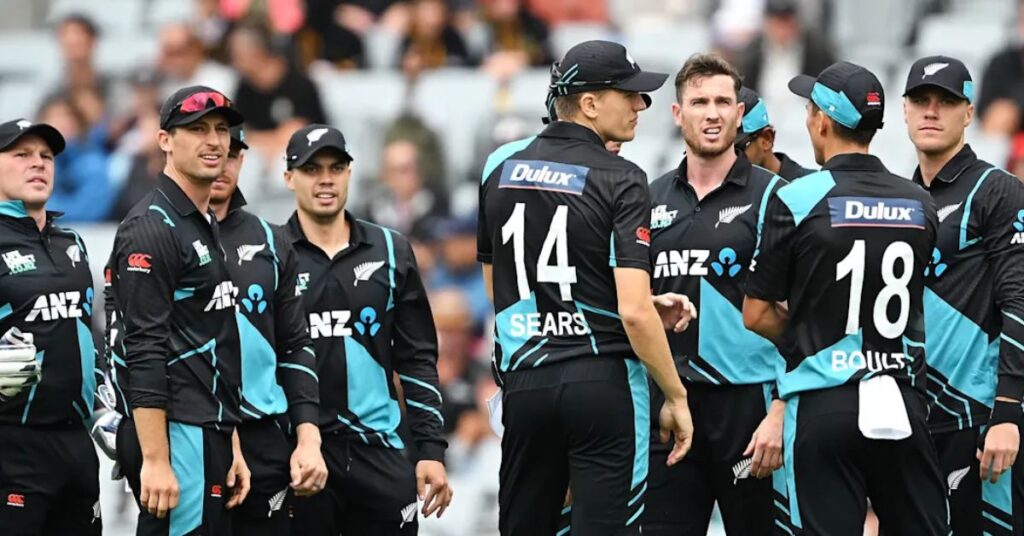

Just weeks before the start of the ICC Men’s T20 World Cup 2026, New Zealand’s Black Caps have suffered a major setback, with one of their frontline pacers ruled out due to injury. The timing of the blow could not be worse, coming barely a fortnight before the tournament gets underway, forcing the team management into last-minute planning and tactical recalibration.
In a format where fast bowlers play a decisive role across all phases of the game, losing an experienced pacer at this stage is more than just an inconvenience—it is a strategic challenge that could reshape New Zealand’s World Cup campaign.
This blog explores what the injury blow means for New Zealand, how it affects their squad balance, potential replacements, tactical implications, and whether the Black Caps have the depth and adaptability to overcome this late disruption ahead of the T20 World Cup 2026.
T20 World Cup 2026: Pressure Builds Before the First Ball
The ICC Men’s T20 World Cup is a tournament where preparation, rhythm, and squad clarity matter immensely. Unlike longer formats, T20 cricket offers little room for recovery from early mistakes. Teams enter the competition aiming for:
- Maximum squad stability
- Clearly defined roles
- Match-ready combinations
For New Zealand, the injury to a key pacer threatens to disrupt that balance at a critical moment.
Why This Injury Is a Major Blow for the Black Caps
New Zealand’s white-ball success over the past decade has been built on discipline, adaptability, and smart use of fast bowlers. Their pacers are not just wicket-takers—they are tactical operators who:
- Control powerplays
- Execute plans in the middle overs
- Close innings at the death
Losing one of these specialists weakens New Zealand’s ability to manage all three phases of a T20 innings effectively.
The Timing: Why a Fortnight Matters
Injury setbacks are part of cricket, but timing defines their impact.
With only two weeks remaining before the World Cup:
- Recovery windows are limited
- Replacements have minimal time to integrate
- Tactical plans must be adjusted quickly
At this stage, teams prefer fine-tuning rather than restructuring. For New Zealand, the injury forces exactly that—restructuring under pressure.
New Zealand’s T20 Blueprint: Pace at the Core
The Black Caps’ T20 strategy traditionally revolves around:
- Swing and seam early
- Intelligent variations later
- Backing bowlers who can adapt across conditions
Their pacers are chosen not just for speed, but for:
- Accuracy
- Game awareness
- Ability to execute under pressure
Removing a key cog from this system inevitably creates uncertainty.
How the Injury Affects Squad Balance
Bowling Unit Disruption
The immediate impact is on the bowling combination. New Zealand often prefer:
- A balanced attack of pace and spin
- Defined death-over specialists
- Bowlers who can offer batting depth
An injury disrupts this carefully planned equilibrium.
Increased Pressure on Remaining Pacers
With one less experienced fast bowler:
- Remaining pacers face heavier workloads
- Margin for error decreases
- Injury risk for others increases
Managing workload during a packed World Cup schedule becomes more challenging.
Impact on Powerplay Strategy
The powerplay overs are crucial in T20 cricket. New Zealand typically aim to:
- Take early wickets
- Force conservative batting
- Control run flow
A pacer injury may force the Black Caps to:
- Rely more on part-time options
- Alter opening bowling combinations
- Experiment with spin earlier than planned
These adjustments carry risk, especially against aggressive top orders.
Death Overs: A Bigger Concern
Perhaps the most significant impact is at the death.
New Zealand pacers are known for:
- Yorker’s execution
- Slower-ball variations
- Calmness under pressure
Replacing that skillset at short notice is difficult. In T20 cricket, death overs often decide matches—and World Cups.
Who Could Step In as a Replacement?
New Zealand’s strength has always been depth. However, replacing experience with potential is not straightforward.
Experienced Backup Options
The selectors may look toward:
- Pacers with previous international exposure
- Bowlers familiar with pressure situations
- Players who have toured similar conditions
Experience often outweighs raw pace in World Cups.
Young and Uncapped Alternatives
Alternatively, New Zealand could gamble on:
- A young fast bowler with recent form
- Someone who brings extra pace or bounce
- A bowler who excels in domestic T20 leagues
This approach brings energy but also unpredictability.
The Mental Impact on the Squad
Injuries do not only affect tactics—they affect mindset.
For the squad:
- Confidence may be tested
- Plans need re-alignment
- Roles must be redefined quickly
New Zealand’s leadership group will play a key role in keeping focus on controllable factors.
Leadership Response: Calm Over Panic
Historically, New Zealand have responded well to adversity. Their leadership culture emphasises:
- Calm decision-making
- Trust in systems
- Collective responsibility
Rather than panic, the Black Caps are likely to:
- Back their preparation
- Simplify strategies
- Focus on execution
This composure has been one of their defining traits in ICC events.
How Opponents Might Exploit This Blow
Opposition teams will closely monitor New Zealand’s bowling options.
Possible tactics against a weakened pace unit include:
- Targeting death overs aggressively
- Applying pressure early
- Forcing less experienced bowlers into critical moments
How New Zealand counter these tactics will shape their campaign.
Conditions at the T20 World Cup 2026
Conditions play a huge role in mitigating or magnifying injury impacts.
Depending on venues:
- Pace may or may not dominate
- Spin could play a larger role
- All-rounders may become more valuable
New Zealand’s ability to adapt to conditions could reduce reliance on pure pace.
Can Spin Shoulder More Responsibility?
With a pacer ruled out, spin may carry additional burden.
New Zealand spinners are known for:
- Control rather than mystery
- Restricting run rates
- Building pressure
Expect tactical shifts that involve:
- More spin in middle overs
- Defensive fields to compensate
- Creative bowling changes
Batting Must Step Up
When bowling resources are stretched, batting becomes even more critical.
New Zealand’s batters may need to:
- Post bigger totals
- Reduce pressure on bowlers
- Play smarter chases
Batting depth and finishing ability could be key to offsetting bowling concerns.
All-Rounders: The Hidden Solution
All-rounders often become invaluable in injury-hit squads.
They offer:
- Extra bowling options
- Batting flexibility
- Tactical insurance
New Zealand’s team balance may tilt further toward multi-skill players.
Past Lessons: New Zealand and Injury Setbacks
The Black Caps have dealt with similar situations in previous ICC tournaments. Those experiences have taught them:
- To prepare backups early
- To trust squad depth
- To adapt roles dynamically
History suggests they rarely unravel due to injuries alone.
Why New Zealand Remain Dangerous Despite the Blow
Even with a pacer ruled out, New Zealand remain:
- Tactically astute
- Mentally resilient
- Strong in team cohesion
World Cups reward teams that:
- Adapt quickly
- Stay calm under pressure
- Make smart in-game decisions
These qualities still define the Black Caps.
What the Injury Means for Selection Strategy
Selectors now face difficult questions:
- Stick with like-for-like replacement?
- Add an extra batter for safety?
- Strengthen spin resources?
Every choice involves trade-offs.
Fans’ Reaction: Concern, But Belief Remains
New Zealand fans naturally feel concern, but there is also:
- Trust in the team culture
- Confidence in squad depth
- Hope that adversity brings out resilience
The Black Caps have often exceeded expectations when written off.
Tournament Dynamics: One Injury Doesn’t Decide a World Cup
While the injury is significant, T20 World Cups are shaped by:
- Momentum
- Matchups
- Execution on the day
Teams that start slowly can recover, and early favourites can falter. New Zealand’s focus will be on peaking at the right time.
The Opportunity Hidden in Adversity
For the replacement player, this injury presents:
- A career-defining opportunity
- A chance to perform on the biggest stage
- A moment to step into the spotlight
Such moments often create new heroes in World Cups.
What Success Now Looks Like for New Zealand
With this setback, success may involve:
- Smart rotation of bowlers
- Conservative yet effective tactics
- Collective performance over individual brilliance
New Zealand have always thrived as a team rather than relying on superstars.
Key Factors That Will Define Their Campaign
Despite the injury, New Zealand’s fate will depend on:
- Handling pressure moments
- Fielding intensity
- Tactical clarity
- Mental resilience
These aspects often outweigh individual absences.
Conclusion: A Setback, Not a Death Blow
The Black Caps being dealt an injury blow just weeks before the ICC Men’s T20 World Cup 2026 is undeniably a challenge. Losing a key pacer at this stage complicates preparation and raises valid concerns.
However, if there is one team known for adapting calmly and collectively, it is New Zealand.
This setback will test their depth, leadership, and flexibility—but it does not end their World Cup ambitions. With smart selection, tactical adjustments, and the trademark New Zealand resilience, the Black Caps remain capable of mounting a serious challenge.
In World Cups, it is not the absence of adversity that defines champions—it is how teams respond to it. And New Zealand now have a chance to prove, once again, why they are among the most respected teams in global cricket.