
Introduction
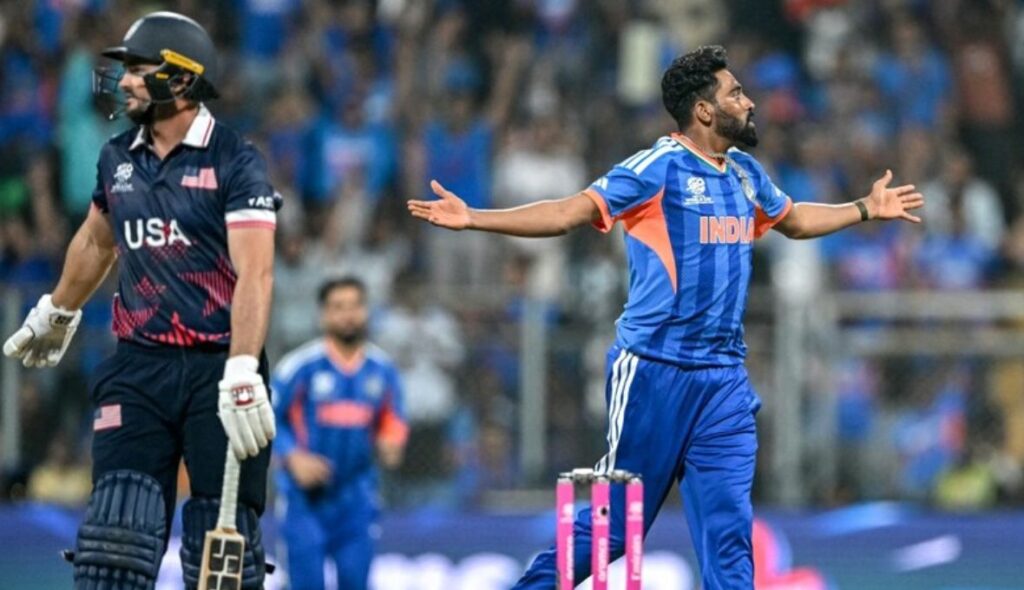
The ICC T20 World Cup 2026 continues to deliver thrilling cricket action, and the Group A clash between India and the United States proved to be another engaging contest for fans worldwide. With India setting a competitive target of 162 runs, the USA faced a challenging chase against one of the strongest bowling attacks in world cricket. Early breakthroughs from Mohammed Siraj shifted the momentum decisively in India’s favour, putting the USA batting lineup under immediate pressure.
This match reflects the growing competitiveness of global cricket. While India entered the game as clear favourites, the USA team has shown steady improvement in international cricket, making every match unpredictable. The encounter highlighted India’s experience and depth while also showcasing the USA’s determination and evolving cricket structure.
Match Overview: India vs USA T20 World Cup 2026
The Group A match between India and the USA attracted global attention, especially given the rapid growth of cricket in the United States. Fans were eager to see whether the USA could challenge a powerhouse like India.
Key Match Details
- Tournament: ICC T20 World Cup 2026
- Match: India vs USA
- Format: T20 International
- Target Set by India: 162 runs
- Match Situation: USA chasing 162
- Key Highlight: Mohammed Siraj’s twin wickets early in the chase
India aimed to strengthen their position in the group standings, while the USA sought a landmark victory that could boost their reputation in international cricket.
India’s Batting Performance – Setting a Competitive Target
India’s innings displayed a balance of caution and aggression. While the pitch offered some assistance to bowlers, India’s batting lineup managed to post a defendable total of 162 runs.
Strong Start from Top Order
India’s openers provided a stable foundation. Instead of reckless hitting, they focused on:
- Rotating strike efficiently
- Minimising risky shots early on
- Building a solid platform for middle-order acceleration
This approach ensured India avoided early setbacks.
Middle Order Contribution
India’s middle order played a crucial role in maintaining momentum. Quick singles, well-timed boundaries, and intelligent shot selection helped keep the scoring rate healthy.
Key elements of the middle-order innings included:
- Controlled aggression against pace bowlers
- Effective use of spinners’ overs
- Partnerships that prevented collapses
Late Innings Acceleration
The final overs saw India pushing the total beyond 160. Power hitting, innovative strokes, and sharp running between the wickets added valuable runs that ultimately proved important in defending the total.
USA Bowling Effort – Signs of Growth
The USA bowling unit demonstrated discipline and improvement compared to previous tournaments. Although India managed to reach 162, the bowlers avoided conceding an excessively large total.
Positives from USA Bowling
- Tight line and length during powerplay overs
- Strategic field placements
- Effective use of slower deliveries
These factors helped keep India from reaching a potentially match-winning 180+ score.
Mohammed Siraj’s Impact – Twin Strikes Change the Game
When the USA began their chase, the match remained evenly balanced. However, Mohammed Siraj’s early breakthroughs transformed the contest dramatically.
Siraj’s First Breakthrough
Siraj struck early by dismissing a key USA top-order batter. The wicket came through disciplined bowling:
- Consistent line targeting the stumps
- Subtle swing movement
- Pressure created through dot balls
This breakthrough disrupted the USA’s momentum.
Second Crucial Wicket
Siraj’s second wicket came shortly afterward, further increasing pressure on the USA batting lineup. Losing two early wickets forced the USA into a defensive mindset, slowing the scoring rate.
Why Siraj’s Spell Was Crucial
- Shifted momentum firmly toward India
- Created psychological pressure
- Allowed other bowlers to attack aggressively
His performance demonstrated why he remains a vital component of India’s pace attack.
USA Chase – Pressure Mounts Early
Chasing 162 against India requires composure, and early wickets made the task significantly harder for the USA.
Challenges Faced by USA Batters
- Swinging conditions favouring fast bowlers
- Tight fielding restricting boundaries
- Rising required run rate
Despite these challenges, the USA middle order attempted to stabilise the innings.
India’s Bowling Strategy
India’s bowling approach reflected tactical discipline and adaptability.
Key Strategies
Aggressive Powerplay Bowling
India prioritised early wickets rather than defensive bowling.
Spin Control in Middle Overs
Spinners slowed down the run rate, forcing risky shots.
Death Overs Planning
Pacers focused on yorkers, slower balls, and field precision.
This strategic execution maintained consistent pressure on the USA batting lineup.
Fielding Excellence from India
India’s fielding standards played a significant role in controlling the match.
Highlights included:
- Sharp catching in the slip cordon
- Athletic boundary saves
- Quick ground fielding preventing easy singles
Such fielding efforts often prove decisive in T20 cricket.
Tactical Analysis – India vs USA Match
India’s Strengths in the Match
- Experienced batting lineup
- High-quality pace attack
- Strategic bowling rotations
- Strong fielding unit
USA’s Positives Despite Pressure
- Competitive bowling performance
- Determined middle-order resistance
- Growing tactical awareness
These aspects highlight the USA’s potential in global cricket.
Significance of the Match in T20 World Cup 2026
This match has broader implications beyond just points on the table.
For India
- Strengthens group stage position
- Builds momentum for knockout rounds
- Reinforces bowling confidence
For USA
- Valuable experience against elite opposition
- Increased exposure on global stage
- Encouragement for cricket development domestically
Growth of Cricket in the United States
Cricket in the USA has grown rapidly over recent years.
Reasons Behind Growth
- Investment in domestic leagues
- Increased international fixtures
- Rising fan base among diverse communities
- Infrastructure improvements
Matches against top teams like India accelerate this development.
Player Performance Highlights
India Standout Performers
- Mohammed Siraj – Early wickets changed match momentum
- Top-order batter anchoring innings
- Spin bowler controlling middle overs
USA Key Contributors
- Bowlers restricting India to 162
- Middle-order resilience under pressure
- Athletic fielding efforts
Fan Reaction and Global Interest
The India vs USA match generated significant global attention.
Fans appreciated:
- Competitive cricket spirit
- Emerging cricket markets
- High-quality bowling performances
Social media discussions highlighted Siraj’s impactful spell and the USA’s fighting spirit.
Lessons from the Match
For India
- Maintain batting consistency
- Continue aggressive bowling approach
- Focus on finishing matches clinically
For USA
- Build stronger top-order partnerships
- Improve powerplay batting
- Maintain bowling discipline
These lessons will shape both teams’ future matches.
Future Prospects in T20 World Cup 2026
India’s Outlook
India remains a strong contender for the title, given:
- Balanced squad
- Experience in major tournaments
- Depth in both batting and bowling
USA’s Future Opportunities
The USA can:
- Gain confidence from competitive performances
- Improve international rankings
- Expand cricket popularity domestically
Expert Opinions
Cricket analysts emphasised:
- Siraj’s spell as a turning point
- India’s tactical discipline
- USA’s promising cricket development
Experts believe such matches strengthen global cricket competitiveness.
Why This Match Matters for World Cricket
Encounters like India vs USA show:
- Expansion of cricket beyond traditional nations
- Increasing competitiveness of associate teams
- Growing global fan engagement
This evolution benefits the sport’s long-term future.
Conclusion
The India vs USA T20 World Cup 2026 clash showcased competitive cricket, strategic execution, and emerging global talent. India’s total of 162 proved defendable thanks largely to Mohammed Siraj’s twin strikes that put the USA under immediate pressure.
While India demonstrated experience and composure, the USA displayed encouraging signs of growth and determination. Such matches highlight the dynamic nature of T20 cricket, where momentum shifts quickly and every over can change the outcome.
As the tournament progresses, both teams will aim to refine their strategies. India will focus on consistency and maintaining winning momentum, while the USA will continue building experience and confidence on the world stage.
The match ultimately reaffirmed why T20 World Cup contests remain among the most exciting spectacles in international cricket.